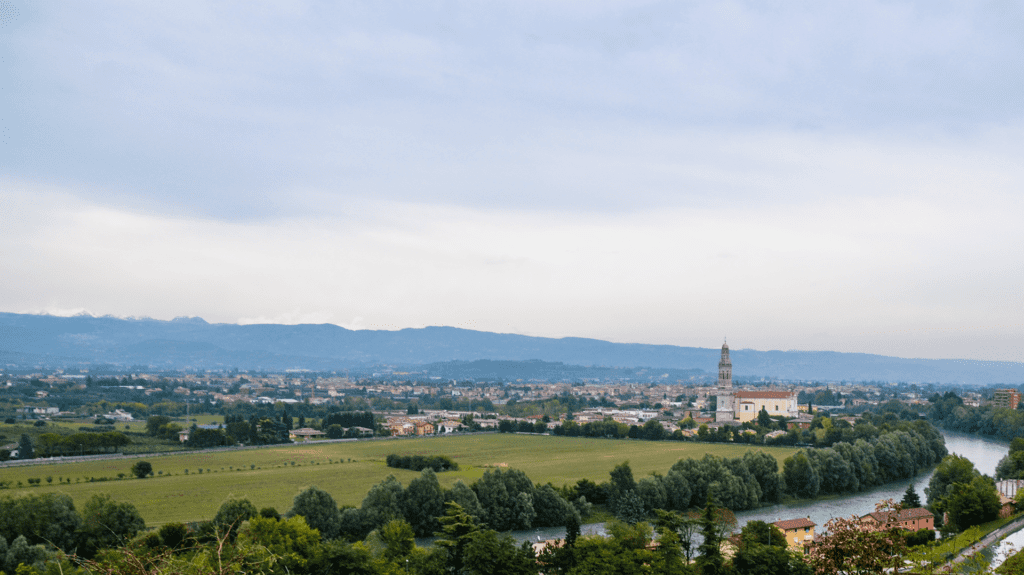
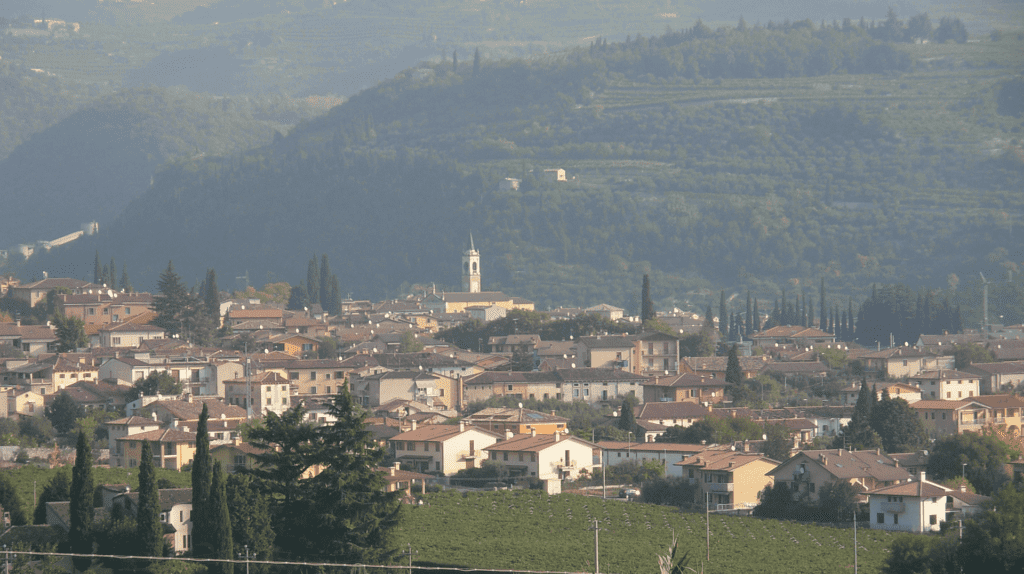
Promoting local areas through cycling. The municipalities of Valpolicella (Dolcè, Fumane, Marano di Valpolicella, Negrar di Valpolicella, Pescantina, Sant’Ambrogio di Valpolicella, Sant’Anna d’Alfaedo and San Pietro in Cariano) intend to promote the areas of Valpolicella and Valle dell’Adige by indicating and listing a network of cycling itineraries, marked on provincial scale maps.
The plan ensures connection with the neighbouring cycle paths of Custoza, which has already been publicized for some years in the same way as this plan, also those of Garda, used by thousands of cyclists every season, the cycle lanes in urban Verona, and above all the national and international routes that converge on Peschiera del Garda.
A signposting system for cyclists has been implemented using the signage adopted by the Veneto Regional Authority, and applying a provincial-scale system of numbering for lanes and paths. The plan also includes a cycle tour map downloadable from this site and including GPS tracks.
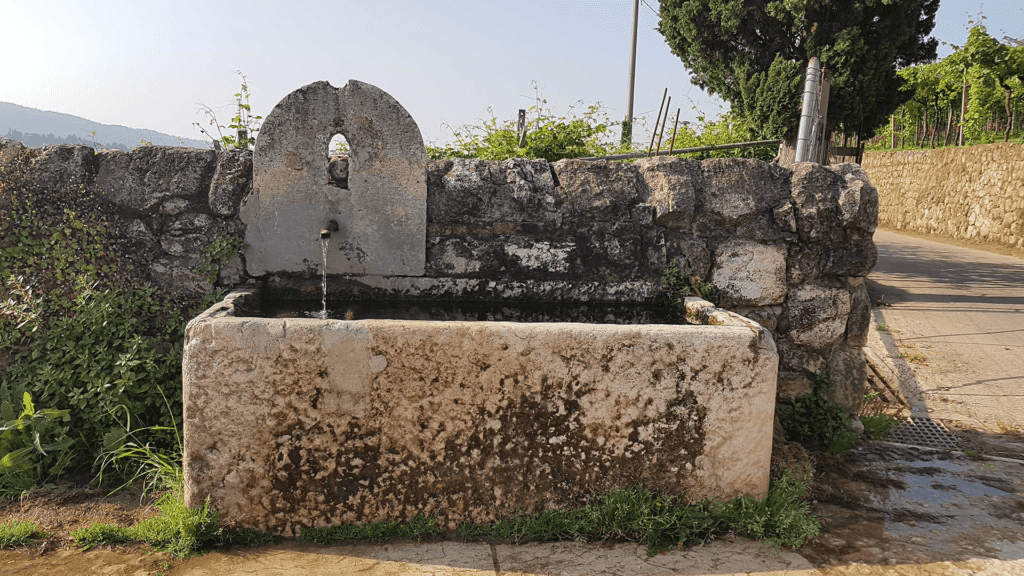
The plan of the cycle path network in Valpolicella and Valdadige is based on the routes of the Roman roads, now secondary or rural roads with low levels of traffic, interconnecting population centres by way of a main backbone that follows the Via Claudia Augusta Padana.
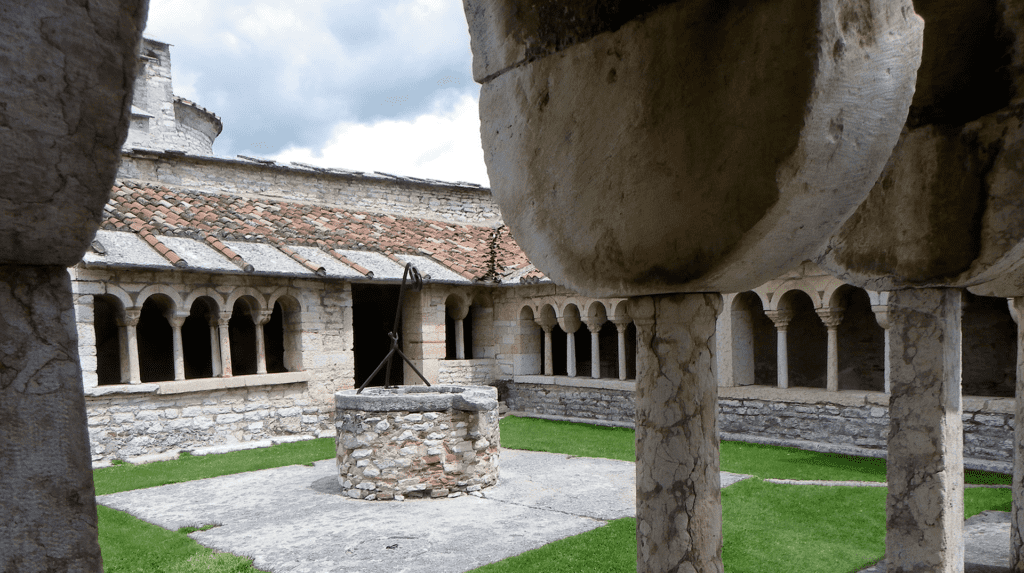
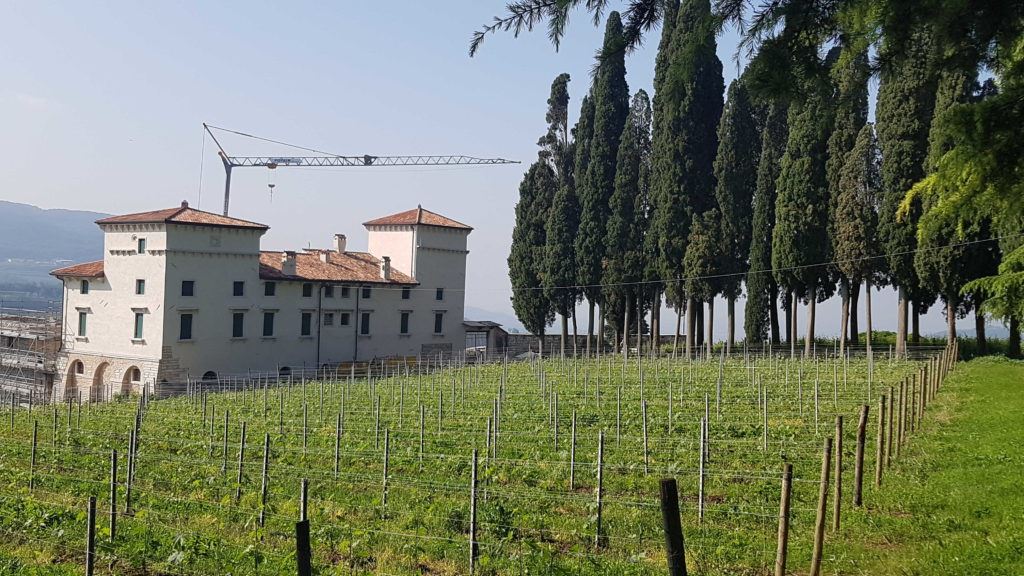
There are numerous points of historical and artistic interest along the itineraries, like the Veneto villas adorning Valpolicella, also the well-known rural churches — ‘pieve’ — of San Floriano (12th C) and San Giorgio (8th C), the church of San Marco al Pozzo in Valgatara (13th C), and the churches of San Martino in Corrubbio and San Pietro in Cariano (12th C).
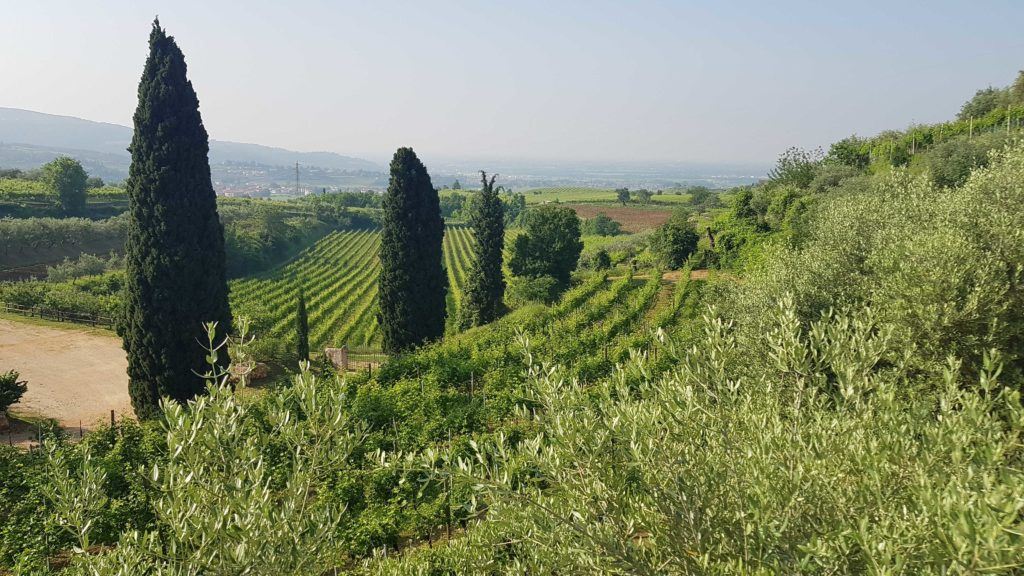
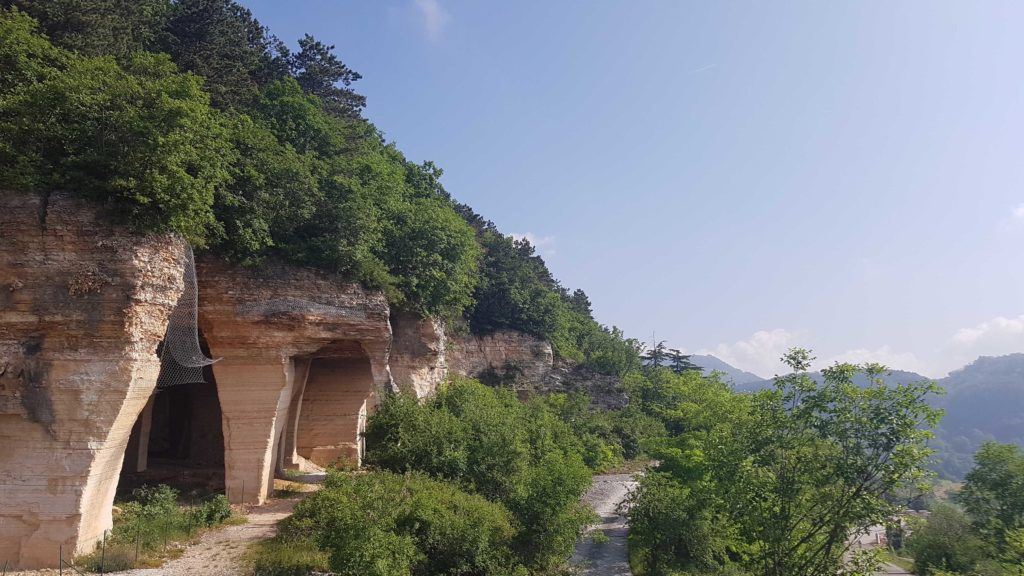
Suited to all users, these cycle routes run through Valpolicella ascending from the Adige up and across the river terraces into the hill country, by way of predominantly agricultural landscapes, selected among those least impacted by human activity, characterized by vineyards in the low-lying part of Valpolicella and cherry orchards and olive groves higher up, and with routes dedicated to sport and Mtb enthusiasts.
The signage programme also enables a modal shift for an appreciable slice of population, at least where recreational and leisure activities are concerned, with significant benefits in terms of road decongestion, public health, knowledge of local history, sense of belonging, and strengthening the fabric of social relations.